BLOG
10 reasons: Send surveys to your visitors
8 May 2026 | Surveys

8 May 2026 | Surveys
Sending out surveys after events is one of the easiest ways to truly understand your audience. What did they appreciate? What fell flat? Were there things they missed – or things they couldn't stop talking about afterward? With feedback directly from your visitors, you get answers that are hard to guess in advance.
But surveys can give you more than that. In this blog post, we've put together 10 reasons why it's worth sending surveys to your visitors – whether you organize concerts, run a museum, or welcome guests at a hotel.
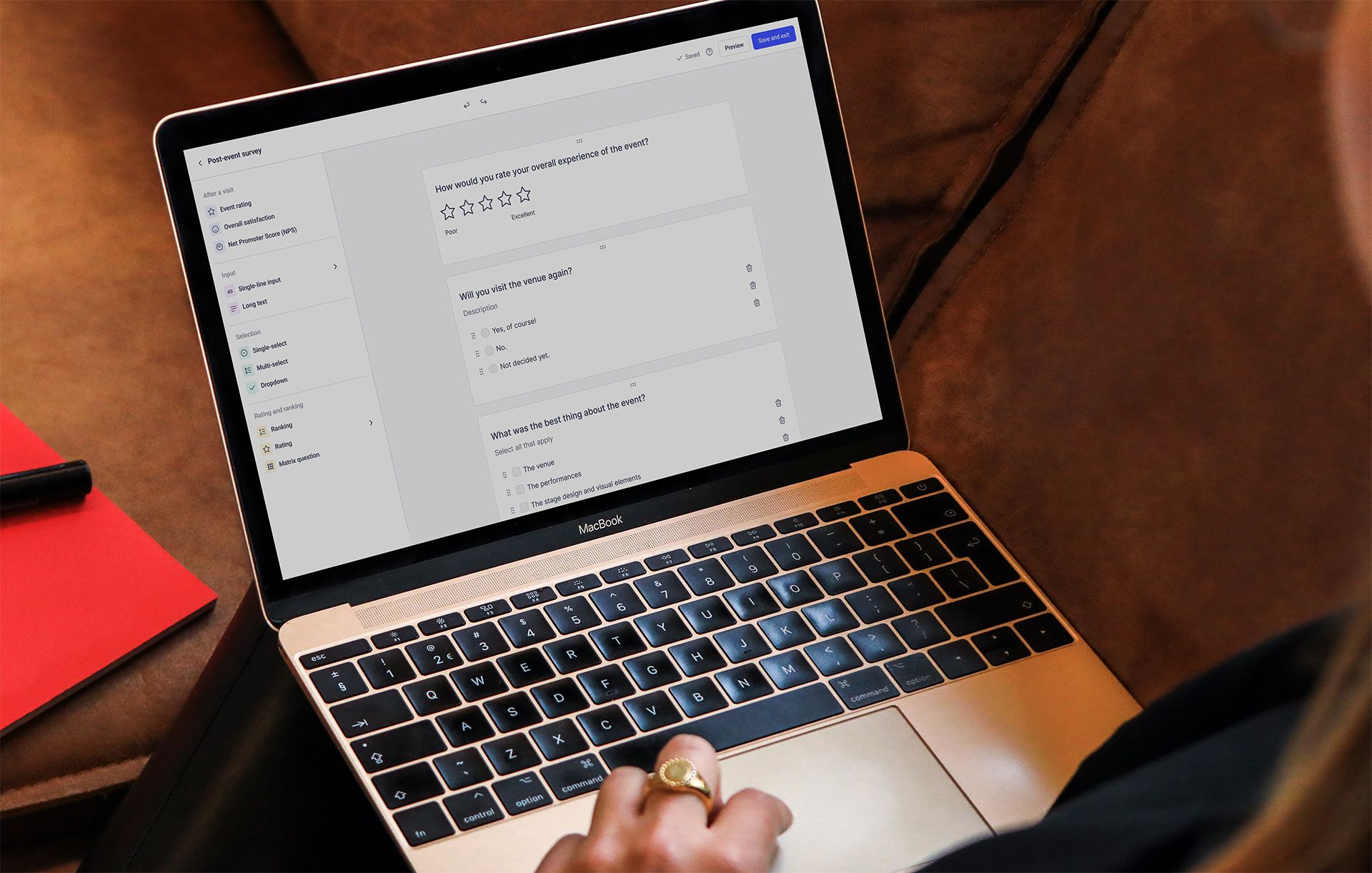
A survey is a type of research method. With a survey or customer questionnaire, you can collect qualitative and quantitative feedback to understand what your customers thought and felt about, for example, an event or a purchase experience.
You collect the feedback by asking a set of predetermined questions. Survey questions are often delivered in writing via an online form, but can also be administered on paper, by email, or on digital screens near receptions and exits. In this blog post, we focus on surveys sent digitally – via email and as online forms.
1. Post-visit survey
Once an event – such as a concert, performance, or football match – has taken place, you send out a survey to hear about the audience's experience. You can ask questions related to ticket prices, customer service, food and beverage offerings, and/or other aspects of the visit. You can send a similar survey to guests who have visited your hotel, museum, or theme park.
2. General customer survey
Annually, seasonally, or in connection with a specific campaign, you send out a broader survey to your previous guests and customers. The goal is to get an overall picture of how they perceive your brand and offerings. You can ask what they're satisfied with, what they feel is missing, and what would bring them back. A general customer survey is an effective way to capture trends and shifts in visitor expectations over time.
3. "Did you enjoy this newsletter?"
Relevance is the key to a successful newsletter. By including a short survey in or after your newsletter, you can quickly find out whether the content resonated with readers. Did they find the topic interesting? Was the length about right? Do they want to read more on the same theme? With this kind of ongoing feedback, you can continuously improve your email sends and make sure subscribers are actually looking forward to the next one.
Here are 10 reasons to send surveys to people who have visited your event, hotel, or venue:
A concert, performance, or match stirs up emotions. With a survey sent shortly after the event, you gain access to impressions and opinions that would otherwise never reach you. What worked, what surprised them, and what the visitor is still thinking about when they get home.
Want to take the post-visit survey a step further? You can ask questions that cover the entire experience – from ticket purchase to the final moments. How did they feel about the ticket price? The buying process? The food and drinks? The coat check? The on-site service? With the right questions, you get a complete picture of the customer journey – not just an overall rating of the event.
Sending a survey is itself a form of communication: "we care about what you thought". It's a small gesture that strengthens your relationship with your audience and signals that their opinions matter.
Dissatisfied visitors rarely come to you directly. They write a review, don't come back, or talk to friends and colleagues. A survey gives them a channel to raise any frustrations – and gives you the chance to act on the feedback early.
When visitors get the opportunity to leave feedback right after the event, the need to reach out via support decreases. Any points of frustration get resolved or flagged at an early stage, before they have a chance to grow. And your customer support team ends up with fewer cases to handle – and more time for everything else.
Which venues work best? Is the pricing right? What does your audience want to see more of? Instead of guessing, you can base your decisions on what visitors actually say – and track changes over time.
Segments based on demographics, purchase history, and buying behavior are great. Segments that also factor in real feedback from your visitors are even better. People who loved a particular artist, appreciated a specific venue, or expressed that they want to come back – that's a completely different starting point for your next campaign.
A survey helps you identify visitors who had a really great experience. They're your best candidates. By recognizing them and creating marketing activities (such as loyalty offers and early access to tickets) tailored to them, you set the stage for return visits – and ultimately, brand advocates who spread the word.
In the same way, feedback data gives you the opportunity to turn dissatisfied visitors into slightly more satisfied ones. By picking up on negative feedback and acting on it – for example with a relevant offer – you show that you're listening and that you care. That can be enough to turn a less-than-great experience into a second chance.
Survey responses aren't just for the marketing department. The insights are equally valuable for leadership, the restaurant team, and customer support. When everyone is working from the same foundation, it becomes easier to understand your audience and make decisions that improve their experience. Better experiences lead to better customer relationships – and in turn, more tickets sold.
At a time when third-party cookies are being phased out and data collection is under increasing scrutiny, surveys are one of the most reliable ways to get to know your audience. You collect data directly from the visitor, with their knowledge – and build a foundation that you actually own.
A single survey response tells you what visitors thought about that particular event (which is great!). But the real value emerges when you start comparing events over time. How do ratings change? Are audiences more satisfied when the food and beverage offering is updated? And how does one production or season compare to another? Surveys give you a shared benchmark to navigate by – and a way to actually see whether the changes you make are making a difference.
With MarketHype, you can say goodbye to data silos and unnecessary admin. Here you bring together event data, marketing, and feedback – all in one place.
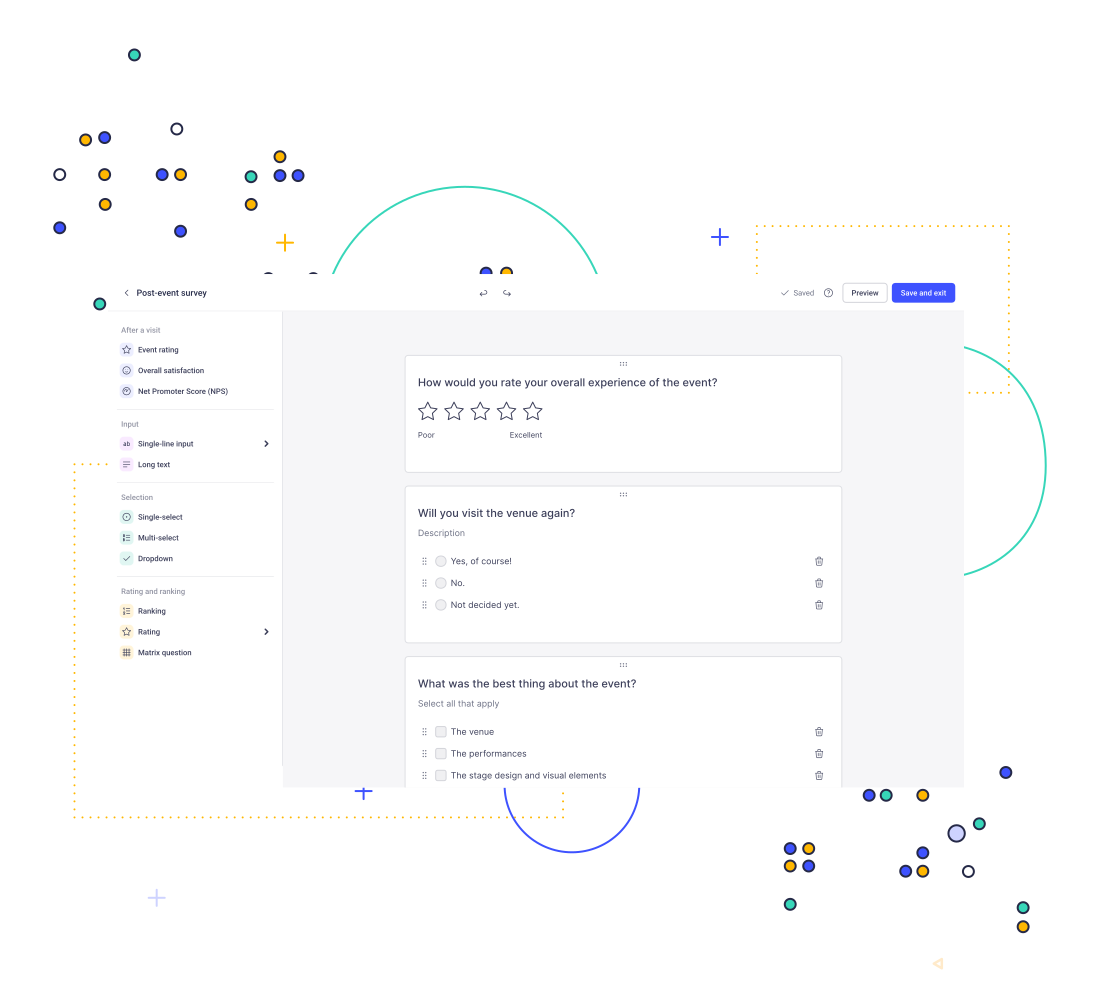
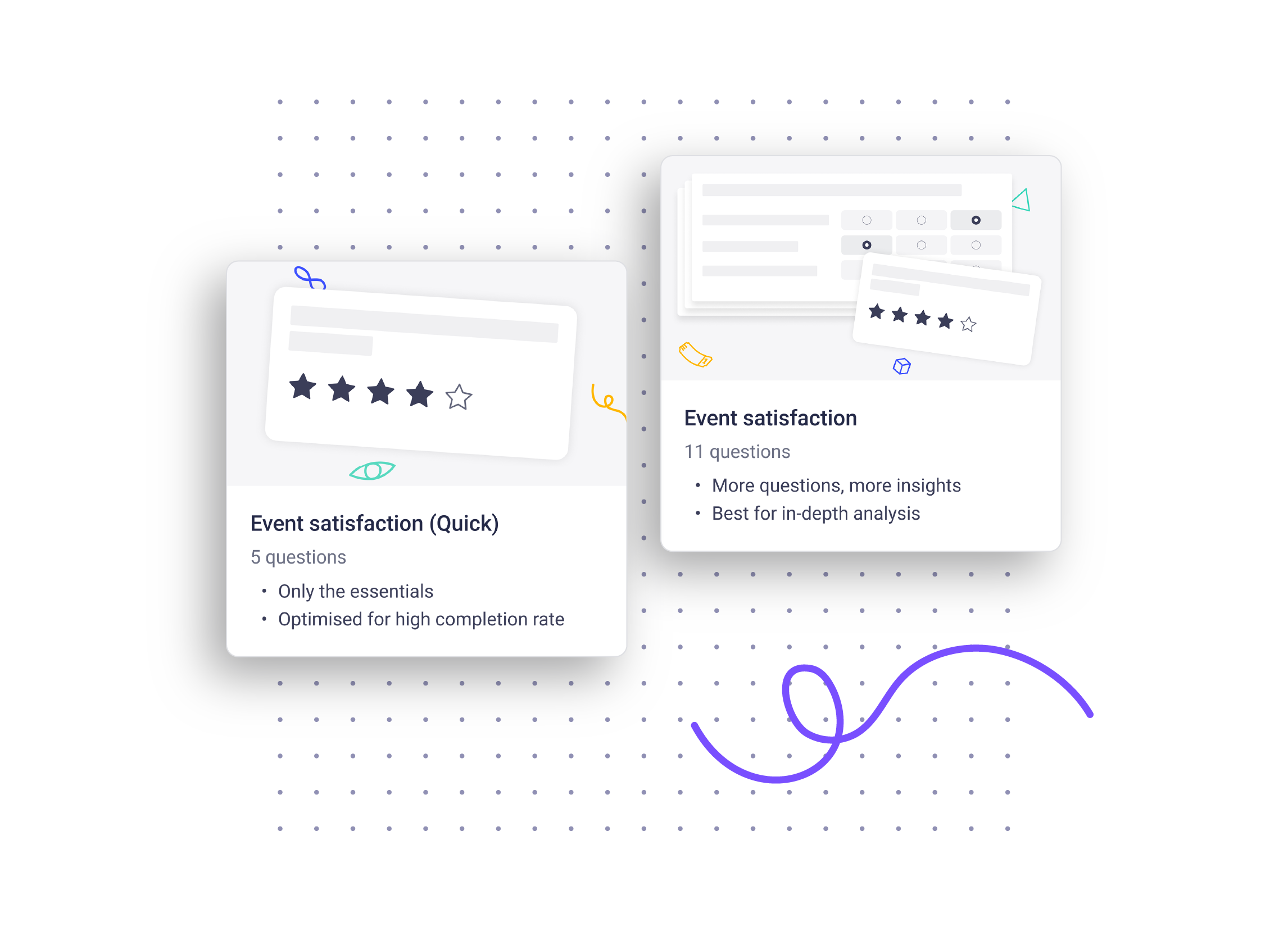
Setting up surveys is also really smooth. With ready-made templates and question types, automated flows, and embedded questions directly in your email sends, the barrier to entry is low. And you save valuable time in the process.
Explore our survey tool and get started today!